 Image 1 of 2
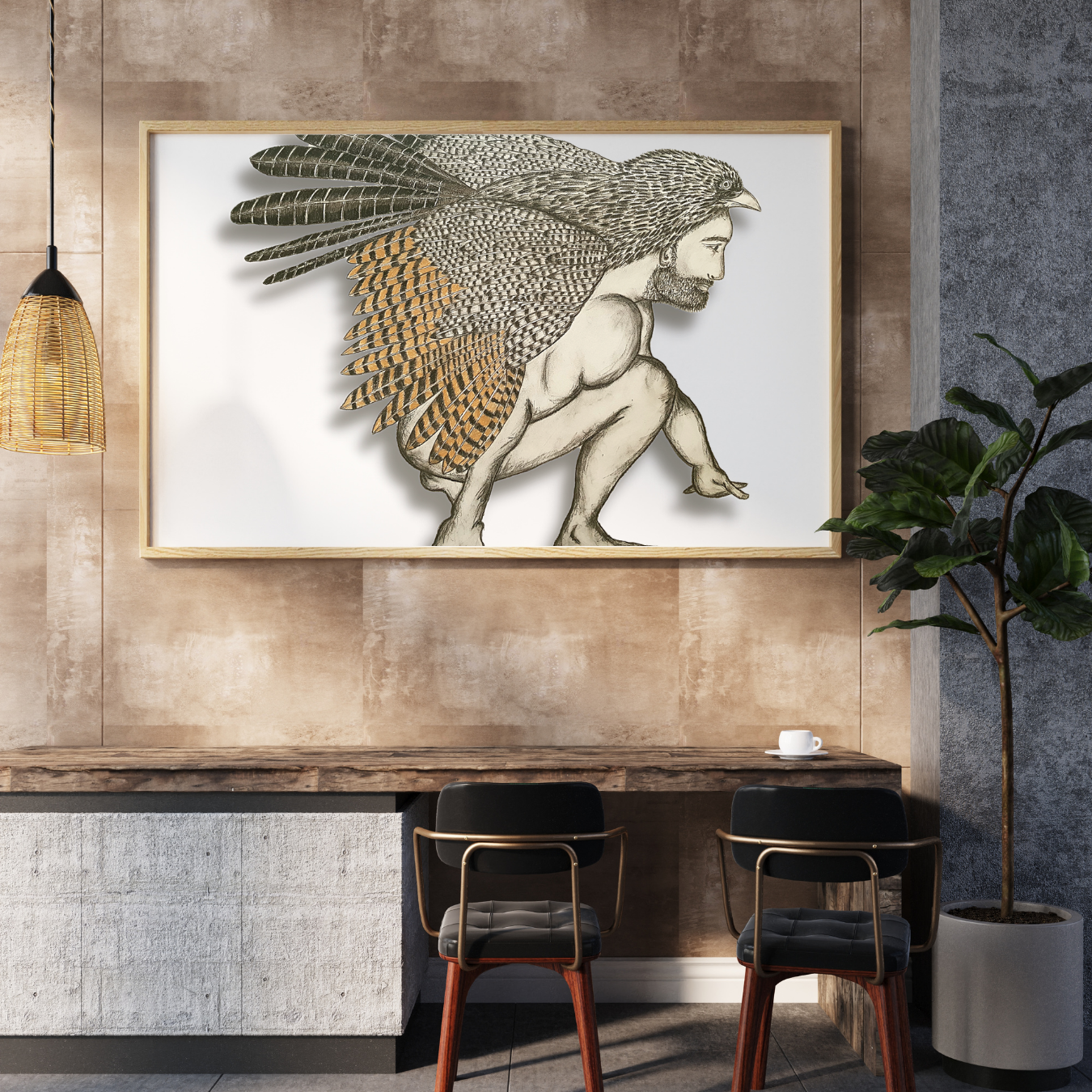 Image 2 of 2
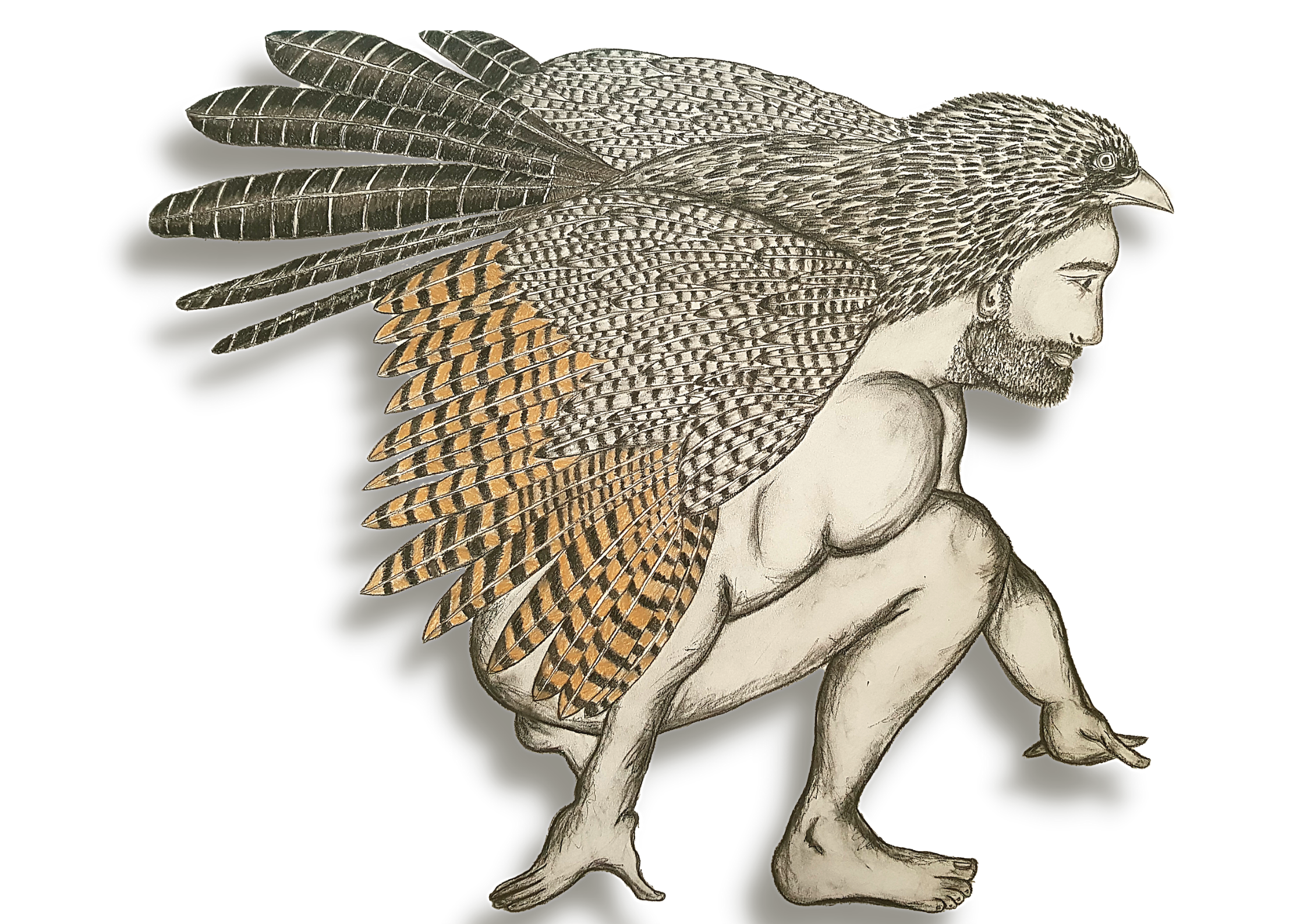
Coucal Pheasant Man is the tentative father — of the children, of the earth, of all that is fledgling and becoming. In his species, it is the male who tends the nest, warms the eggs, and raises the young, and this ancient pattern lives through him as a quiet devotion. He is not a high‑flying bird; he prefers to stay close to the holy ground of now, moving with true, attentive presence to whatever surrounds him.
He embodies the sacred masculine — the tender of the earth, the guardian of the sacred body, the one who knows that care is a form of strength. His companionship is steady, grounded, and intimate. He teaches that fathering is not dominance but devotion, not distance but nearness, not grandeur but the humble tending of life as it unfolds.
Coucal Pheasant Man reminds us that staying close to the ground is sometimes the most powerful way to love.